Living Somewhere 'Tax-Free' Felt Like a Gift — Until the IRS Bill Arrived Years Later
Let's be honest: when a friend tells you they've been living in Dubai or the Cayman Islands paying zero income tax, your first reaction probably isn't that sounds legally complicated. It sounds amazing. It sounds like exactly the kind of financial hack that living abroad is supposed to deliver.
And for citizens of most countries, it basically is a hack. A clean, legal, beautiful one.
For Americans, though, the story has a very different ending. And that ending tends to arrive with interest, penalties, and occasionally a letter from the Department of Justice.
The Thing About Being American Overseas
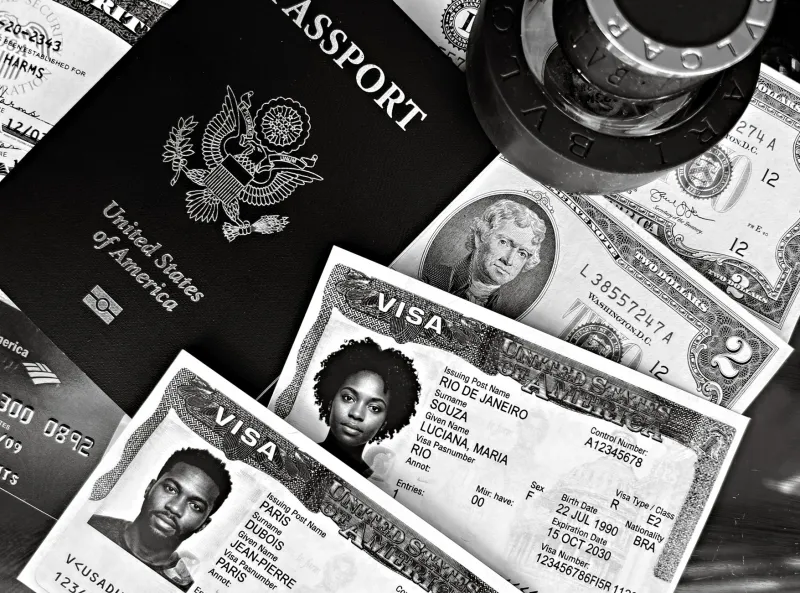
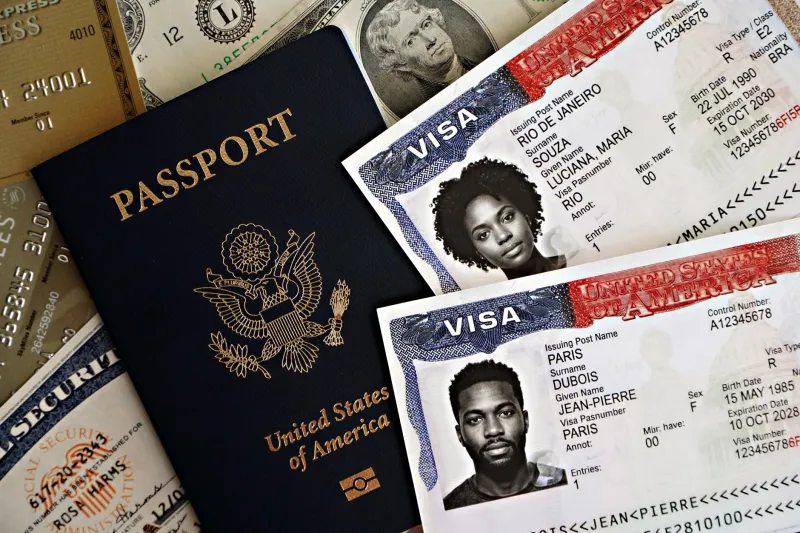
The United States is one of only two countries in the world — the other being Eritrea — that taxes its citizens based on citizenship rather than residency. That means it doesn't matter if you spent seven years in the Bahamas, Qatar, or anywhere else that doesn't collect income tax. The IRS still expected you to file. Every single year.
Most expats know this in a vague, background-noise kind of way. What they often don't know is exactly what they were supposed to report, when, and to whom. And that gap between vague awareness and actual compliance is where financial lives quietly fall apart.
The Foreign Earned Income Exclusion (FEIE) lets you exclude a significant chunk of foreign-earned income from US taxation — over $120,000 in 2023. For many people living in low-cost countries or earning modest remote incomes, that exclusion covers everything. So they assume they're fine. They file, claim the exclusion, and move on.
Except sometimes they don't file at all. Or they file incorrectly. Or they have foreign bank accounts nobody told them needed to be reported separately.
FBAR: The Requirement That Blindsides Almost Everyone
The Foreign Bank Account Report — filed separately from your tax return through FinCEN, not the IRS — requires any American with more than $10,000 in foreign financial accounts at any point during the year to disclose those accounts. Miss it, and the penalty starts at $10,000 per violation for non-willful failure. For willful failure, we're talking up to $100,000 or 50% of the account balance, whichever is higher.
Per year.
People who spent five years abroad with a local bank account they used for rent and groceries have come home to discover they owe more in penalties than the account ever held. The penalty structure doesn't care how innocent the oversight was. It cares whether you filed.
And here's the part that stings most: the countries where Americans most love to settle — the UAE, the Bahamas, Monaco, Bermuda — are exactly the places where you're most likely to accumulate foreign account balances, because that's often where expat salaries are paid and held. The "tax-free" lifestyle is built on financial infrastructure that, from the IRS's perspective, requires aggressive disclosure.
Credit Scores and the Invisible American Clock
Here's a quieter trap that doesn't involve the federal government at all. When you leave the US for years at a time, your American credit history doesn't pause. It continues — or rather, it slowly dissolves.
Credit scores in the US are built on active, recent history. Closed accounts age out. Credit cards you stopped using eventually get cancelled by the issuer. Loans get paid off and disappear from the calculation. Come back after five or seven years abroad and you may find yourself with a thin file that looks, to any lender, like you barely exist as a financial person.
This hits hardest at the exact moment returning expats are most vulnerable: when they're trying to rent an apartment, buy a car, or eventually purchase a home. The landlord runs your credit, sees a ghost of a profile, and moves on to the next applicant.
Some expats address this proactively — keeping one US credit card active with small recurring charges, maintaining a US bank account, holding onto a small credit line just to keep the history alive. Many don't, because nobody told them to, and because it felt like unnecessary maintenance for a life they'd left behind.
The State That Didn't Let You Leave
Federal taxes are only half the picture. A handful of US states — California and New York being the most aggressive — have a habit of continuing to claim residents who move abroad if those residents didn't formally sever ties before leaving.
Did you keep a storage unit in California? A driver's license? A gym membership? A bank account? Any of those can be used to argue that you remained a California resident during your years in Singapore, and California state income tax applies accordingly.
This isn't paranoia. There are documented cases of people returning from years abroad to find their state revenue department had been tracking them and had a bill waiting. The fix — formally establishing domicile elsewhere before you leave — is straightforward, but it requires knowing the rule exists in the first place.
What the Carefree Years Actually Cost
None of this is meant to talk you out of living abroad. The experiences, the perspective, the financial advantages of lower cost-of-living destinations — those are real and they're genuinely valuable. But the framing of certain countries as "tax-free" is a framing that applies to almost everyone except Americans.
For US citizens, a more accurate description might be: tax-deferred consequences, pending compliance review.
The good news is that the IRS has historically offered amnesty programs for expats who are behind on filings — the Streamlined Filing Compliance Procedures being the most well-known. These programs allow qualifying taxpayers to catch up on unfiled returns and FBARs with reduced or eliminated penalties. They're not permanent, and they require a good-faith certification that your failure to file was non-willful, but they've helped a lot of people clean up years of unintentional non-compliance.
The better news is that none of this is actually complicated if you address it before it becomes a problem. An expat-specialized CPA or tax attorney — yes, they're a real niche, yes, they're worth every dollar — can walk you through your obligations, help you structure your finances properly while abroad, and make sure you don't come home to a surprise that rewrites the entire financial story of your years overseas.
Before You Pack Those Bags
If you're planning a move abroad, do one thing before you get lost in apartment listings and visa requirements: spend two hours with a tax professional who specifically works with American expats. Not a general accountant. Someone who lives in this world.
Ask them about FBAR thresholds. Ask about your state's residency rules. Ask what happens to your credit profile if you go dark on US accounts for three years. Ask whether the country you're moving to has a tax treaty with the US and what that treaty actually does for you.
The answers won't kill the dream. They'll just make sure the dream doesn't come with a bill attached when you finally decide to come home.